Eighteen promotions that actually lift your online sales
Most restaurant promotions start with a percentage off. That is the one promotion that costs you exactly your margin, and it is usually not the one you need. These eighteen start somewhere else.
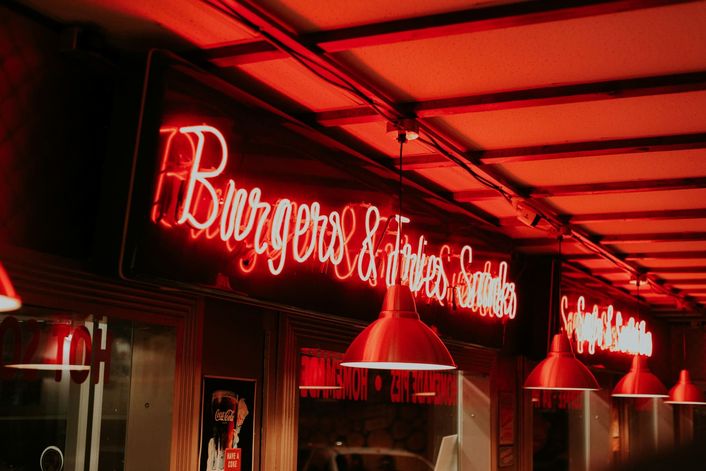
Work out what a promotion costs you first
Every promotion is an investment, but the price is rarely on the label. With a discount it is on the label, you just do not see it until the monthly figures arrive.
Run the sum once with your own numbers. Say an average order of 30 euros, with 20 euros left after purchase costs. Ten per cent off costs you 3 euros, so you keep 17 euros for exactly the same work. A dessert you make yourself might cost you 1,20 euros in ingredients, and it lands with your guest as a gift rather than as a rounding down.
| Promotion | What it costs | What it returns |
|---|---|---|
| Percentage off | That percentage of your margin | More orders, less margin |
| Giving away something you make | The purchase price of one item | Full margin on the rest |
| Free delivery | The delivery cost on delivery orders | Fewer people abandoning at checkout |
| A six-week dish | Nothing, you price it normally | Attention without losing margin |
A discount that is always there also becomes your new price. Your guests wait for it, and on a Tuesday without an offer you sell nothing.
A promotion that runs every day is not a promotion. It is a price cut with a cheerful sign on it.
Promotions that reward the guests you have
A new guest costs you an advert, an offer and a bit of luck. A guest you already know costs you a message. So start on that side.
1. A loyalty programme on your own ordering site
Digital points on your own site attach to an email address, so you can see who came three times and then disappeared. Pick a reward you make yourself: ten euros off costs you ten euros, a free starter costs you the ingredients.
2. Discount what someone already orders
Your order history is the cheapest marketing list you own. Someone who ordered the same pizza four times reacts to a message about that pizza, not to a general newsletter. Keep it to two messages a month, and ask permission to send them at checkout so the list stays usable.
3. Always ask for an email address on buy one, get one free
On a buy one, get one free offer you give up margin on that single order. What you get back is not the order, it is the address behind it. So put the offer behind a short sign-up step on your own site. Without that step you have simply handed a discount to someone you then lose again.
Promotions that bring in people you do not know
You also need guests who have never heard of you. This is the part of the budget where you genuinely spend money, so spend it where you can earn it back.
4. Delivery platforms are a shop window, not a till
Thuisbezorgd and Uber Eats have something you do not: a lot of people already searching there. Put a first-order offer in front of them, take part in their in-app advertising, and make sure your photos look better than the ones next door.
Just do not count those orders as profit. Count them as an introduction, because commission comes off every one of them. Put a card in the bag with a reason to order directly next time: a dish that only exists on your own site. Direct orders cost you no commission, and in practice that difference is your entire marketing budget.
5. Spend a day somewhere you never are
Your town has a calendar full of days when hundreds of people walk past somewhere that is not your front door.
- The street fair or the weekly market in your area
- A food truck festival or a produce market
- The sports club tournament, where the canteen fries one thing
- A business park at lunchtime
- The Koningsdag flea market, with one dish eaten standing up
Take one dish you can make with two hands, and a sign with a QR code to your ordering site. The takings on the day are not the point. The people tasting your food there for the first time are.
6. Discount properly, once
Discounts still work, as long as there is an edge around them. Give it an end date, a limited number, or both. Write one line that says what someone gets and until when. Let your ordering page suggest something at checkout, because a guest who has just been given a discount is the one most open to an extra.
Promotions where your guests do the work
The cheapest advertising is the photo somebody else takes. All you have to do is give attention back for it.
7. Make one guest famous every week
Ask your guests to share their photos and tag you. Pick one each week, put it on your own account, credit the person who took it and give them a dish on their next visit. It costs one portion a week and returns seven days of images you did not have to make.
8. Show what happens behind the door
A new dish that does not have a name yet. The vegetable delivery at half past six. The new chef explaining where the recipe comes from. To you that is just a Tuesday, to your guest it is a look into a kitchen they never get to enter. Post one of those a week and you never have to invent content again.
9. Make one thing people want to film
One dish too big or too striking not to film does more than ten tidy photographs. A sharing platter that covers the whole table, a sauce poured at the table, a corner where the light is right. You can also name a dish after someone in your city who posts about food, which costs you a conversation and one line on the menu.
Promotions with a date on them
A date does something an offer cannot: it forces a decision. The calendar hands you those dates for free, you only have to claim them in time.
10. Map your year onto the days that matter
Block out an hour in January and put the days when people here eat out or order in straight into your diary.
- Valentine's Day: a menu for two, pre-order only
- Mother's Day: a collection brunch ready at eleven
- Koningsdag: a short menu two people can run
- The first warm day: a message written weeks in advance
- Sinterklaas evening and Christmas: paid up front, ready on time
- New Year's Eve: snacks per person, collected by a set time
Write the announcement two weeks ahead. On the day itself you have no time left to think of anything, and your guests have booked somewhere else.
11. Run a contest people dare to enter
An impossible challenge produces one video. A contest half your guests could win produces a full evening. Keep it small and repeatable: who can identify the sauce blindfolded, who names the new dish best. The prize can be modest, as long as the winner gets photographed.
12. One night a month for your neighbourhood
Agree with the football club, the food bank or the school around the corner that a share of one evening's takings goes to them. They invite their own supporters, you get a full Tuesday and a reason to talk about yourself that is not a discount. Put the amount on paper beforehand.
Two promotions that do not look like promotions
The two with the highest return feel like admin. Do them first.
16. Finish your Google profile
Someone typing your name in at ten to seven decides in a couple of seconds. Opening hours that are correct, a phone number somebody answers, photos of food rather than your facade, a button through to your ordering page, and your amended hours around the public holidays. Check it once a quarter. This is not marketing, this is unlocking the door.
17. Answer the one-star review
On Google, TripAdvisor and TheFork you are not writing your reply for the person complaining, you are writing it for the next reader. They want to know how you behave when something goes wrong. Thank them for the trouble, name what went wrong, say what you are doing about it and offer to finish the conversation off the site. Short, friendly, no argument, and within a week.
Promotion eighteen: give away something that sounds too big
Small freebies keep your guests happy, but they do not start a conversation. One prize that sounds big enough to tell someone about does. A dinner for two every month for a year. It is not the amount that makes it remarkable, it is the length.
Work out what the prize costs you in the worst case and cap it there. Ask only for an email address to enter, because that is what you are doing this for. And check the rules on promotional prize draws before you run one.
How you know whether a promotion worked
Two numbers are enough: how many orders came in, and what the average order value was. Write them down before you start, and run no more than two promotions at a time, or you will not know which of the two moved anything.
Four weeks is long enough to average out the weather and a holiday week, and short enough to still change course. If the average value drops while the order count stays flat, you gave a discount to people who were coming anyway. If both go up, leave it running.
Common questions
- What is the cheapest promotion for a restaurant?
- Giving away something you make yourself. A starter, a dessert or a house sauce costs you the purchase price of that one item, while a percentage off comes out of your margin on the entire order. A gift also lands more personally with your guest than a smaller number at the bottom of the bill.
- How much discount should I give on an online order?
- Do not start with a percentage, start with a product. If that does not work, pick a percentage you can convert into euros per order and give it an end date. Without an end date the discount becomes your new price, and then you pay for it every single day.
- Should I run a promotion on Thuisbezorgd or on my own ordering site?
- Both, with different jobs. The platforms reach people who do not know you yet, and commission comes off every order. Your own ordering site keeps the full amount and gives you your guest's details. Use the platform for the first order, and put a reason in that first order to come back directly the second time.
- How often can I email an offer without driving people away?
- Twice a month suits most restaurants, as long as the content matches what someone ordered before. Ask permission explicitly at checkout, put an unsubscribe link in every email, and drop people who have opened nothing for six months. A small list that reads is worth more than a big list that deletes.
- How long should I run a promotion before I know whether it works?
- Four weeks. That averages out the weather, a public holiday and a quiet week, and it is short enough to still adjust. Then look at your order count and your average order value, and change nothing else during those four weeks, or you will not know where the difference came from.